|
American AFV Intercoms.
AN/VIC-1(V) Intercommunication Set
(Note: I will use correct military terms as appropriate, but the
descriptions herein give a clearer idea of the components function)
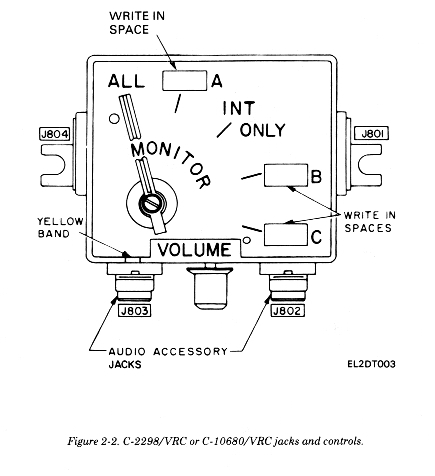
'Intercommunication set AN/VIC-1(V) provides voice communication
between members of crew-served weapon and between crewmembers of a
vehicle....also provides crewmembers....the facility to communicate
on the radios that may be associated with....the vehicle.'
Usage
US armoured vehicles from the early 1960's (no information to hand)
through to the present. Also used on Marine Corps armoured vehicles
and some water craft (?) eg Landing Craft?
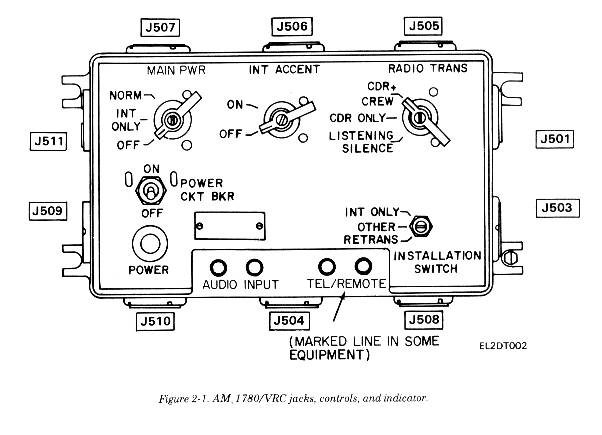
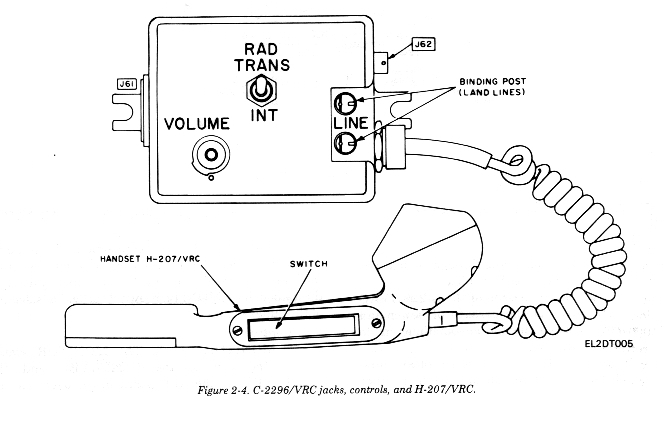
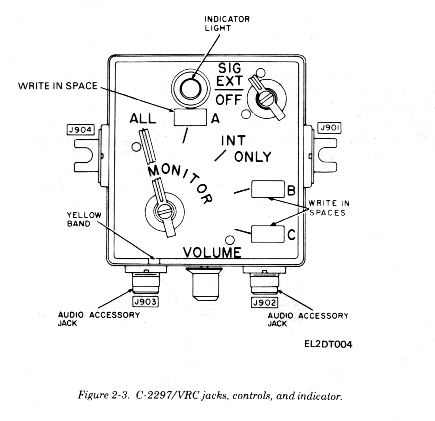
This system is principly made up of the following units
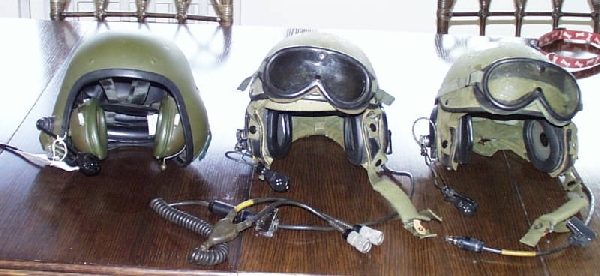
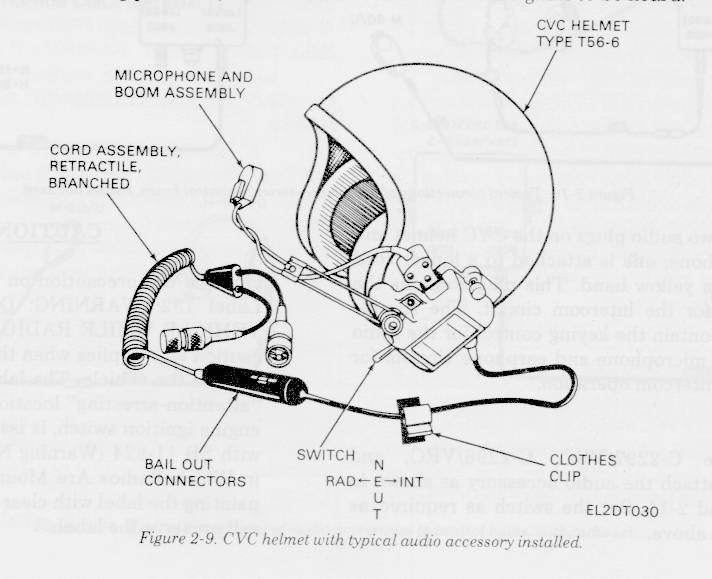
The picture below is of an English "Turnip" AFV Helmet (I have no info) and
2 x American AVC Helmets. It is interesting to compare the different
"schools" of design.

|
Download the big pics by clicking on the small pics...
|
Colours
Everything is Olive Drab Green unless noted otherwise.
Discussions
In Reply to: Gentex AFV helmets posted by Sigurd Helge regarding
what countries other than the US use these helmets and what they
are like.
Sigurd
Australia for one, uses these helmets. I have
experienced both the above and the English helmet
where the headphone is seperate and goes on
your head before the helmet.
My impressions are:
American - better sound dampening, average comfort
and reasonable weight. Correct size is a must or
it will be too tight and after a while very uncomfortable.
Looking at there design, I would doubt they would last
all that long.
English - Seperate headset probably gives less sound
attenuation. Much more comfortable as the headset
"grab" is adjustable as is the "sit" of the headset
on your head. Sizing of helmet is not critical.
Helmet construction much more durable.
I believe the English now have a different version
where the helmet goes on first and the headset last.
Looks like a very practical design. Not pretty but probably
the best for user comfort.
From Mike
Having worn the Combat Vehicle Crew (CVC) helmet for about fifteen
years, I agree with Doug as to fit being paramount for comfort.
The CVC, however, was a definite step up from the old VN era "Bone-Dome" that preceded it and leagues ahead of the old WW2 leather one.
I can't complain too much as mine once saved me from a rather large tree (not a branch)
which fell on top of my turret. The shell cracked & I was rendered unconscious, but no permanent damage.
As to durability, with a modicum of care they will last longer than the tanker wearing it.
Everything is replaceable/repairable. The electronics, Kevlar shell, pads, etc. are removable for a good wash/scrubbing.
The early shell was fiberglass, the newer KEVLAR shell is a little thicker and gives some ballistic protection.
The Israelis make a larger shell for it which gives better protection.
From Al Bowie :
Until recently I was an Electronics Artificer with the Royal Australian Elec and Mech
Engineers with 20 years experience on Auusie AFVs. I have had user and maintainence
experience with three generations of CVC:
US Vietnam type (cant remember the desig)
RACAL
Gentex (current).
For what is worth here is my view. The gentex
would be the best of the 3 (providing you get the correct size) this is due to less time
between failure, ease of repair and operator maintenance.
My only critiscism is the
weight of the Kevlar shell but this is solved by substituting the racal shell (identical). The
RACAL must have been designed by a committee as evidenced by the Mic Boom
wiring arrangement which prevents the plug and unscrew removal/replacement available
with the Gentex. This is particularly critical when equips are limited in number as are the
repair personnel (we've all jumped ship for industry where the pay reflects the effort). The
mic in the RACAL is far inferior to the US product and has a much greater failure rate.
The gentex has great interchangeability with not only AFV headsets (161 family) but also
avaitors headsets/helmets. The Vietnam issue CVC also had this feature.
One problem that all these have is heat buildup in hot climates causing operator fatigue.
Just my two bobs worth.
|